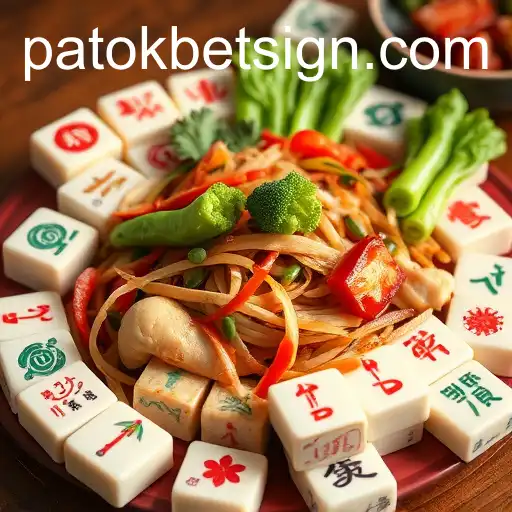
The Enigmatic World of Mahjong and the Flavor of Patokbet
Mahjong is not just a game; it is a deeply embedded cultural tradition that has woven itself through various societies, transcending geographical boundaries. Its patterns, symbols, and strategies create a captivating environment that continues to enthrall players around the globe. However, understanding Mahjong’s full allure often requires diving deeper into the cultures from which it originates. This exploration uniquely intersects with culinary delights such as "patokbet," a delicious dish that similarly stands at the intersection of tradition and communal bonding.
An Introduction to Mahjong
The game of Mahjong originated in China during the Qing dynasty and has achieved worldwide fame. It is commonly played with tiles by four players who aim to build specific sets and a pair, often involving complex strategies akin to card games like Rummy. The beauty of Mahjong lies in its simplicity, yet the evolving intricate layers of strategy provide enhancements in cognitive skills such as memory and strategic thinking.
Patokbet: A Delight to Behold
Parallel to the intricacy of Mahjong is the culinary journey provided by patokbet, a traditional vegetable dish hailing from the Philippines. Known for its colorful medley of vegetables and rich umami flavors, patokbet is a perfect embodiment of regional ingredients and traditional cooking methods. Just like the game of Mahjong, patokbet emphasizes communal involvement and sharing, often being prepared for family gatherings and social occasions.
The Cultural Intersection
In exploring how Mahjong connects with cultural practices worldwide, it’s intriguing to see how food and games intertwine. Mahjong’s social nature often brings people together, and what better way to complement a game than with a shared meal? Patokbet fits into this cultural puzzle perfectly. As players gather around the table elbow-to-elbow, they not only indulge in the game but in gastronomic delights such as patokbet, fostering social bonds that extend beyond the game itself.
The Convergence of Tradition
While Mahjong's essence lies in its rigid structure and complicated sequences, patokbet thrives on creativity and culinary flexibility. The preparation of patokbet varies significantly across different regions, with ingredients ranging from bitter melon, eggplant, tomatoes, and okra. It embodies the spirit of needle-like precision that Mahjong demands while embracing flexibility, allowing participants to add local flavors.
Mahjong, Patokbet, and Language
Just as Mahjong uses specific tiles and symbols that carry their own language and hidden meanings, patokbet speaks a language of its own through flavors and textures. The bitter notes from the bitter melon illustrate life's challenges, balanced beautifully by the sweet and savory counterparts present in the dish. Just like learning the language of Mahjong tiles, understanding patokbet requires the ability to appreciate subtle nuances over each delectable bite.
Preservation of Culture
The resilience of both Mahjong and patokbet in modern societies is indicative of their ability to adapt while preserving cultural identities. Mahjong clubs and tournaments are a testament to the enduring popularity of the game. Similarly, the preparation of traditional dishes like patokbet serves as a connection to our roots, essential in continually shaping cultural identity and heritage.
Incorporating these traditions into everyday life serves as a reminder of their rich historical significance. As Mahjong steeped itself into local customs globally, patokbet represents a resilient celebration of traditional Filipino cuisine, resonating deeply with the community’s soul.
The Global Perspective
The cross-cultural exchange enabled by Mahjong highlights the game’s allure beyond its origins. Likewise, patokbet, while intrinsically Filipino, holds universal appeals through its dynamic flavor profile. They bring together a diverse array of people and communities, fostering deeper shared experiences in the process.
In recent years, the global food movement and interest in cultural games have seen a resurgence. Mahjong cafés and cultural food festivals become fertile grounds for exchanging cultural knowledge and forging new social networks. The international sphere provides ample opportunities for Mahjong and patokbet to intersect, encouraging immersion in cultural experiences through cuisine and play.
Conclusion
Mahjong and patokbet are more than just leisure activities or meals. They are testaments to the enduring human spirit to connect across cultures, to share a laugh over a game or a meal, and to find joy in the seemingly simple yet profoundly impactful shared human experiences. As long as there are players eager to draw tiles or cooks eager to mix vegetables, the legacy of Mahjong and patokbet will continue to thrive—each reinforcing the other in a beautifully intricate dance of tradition and community.