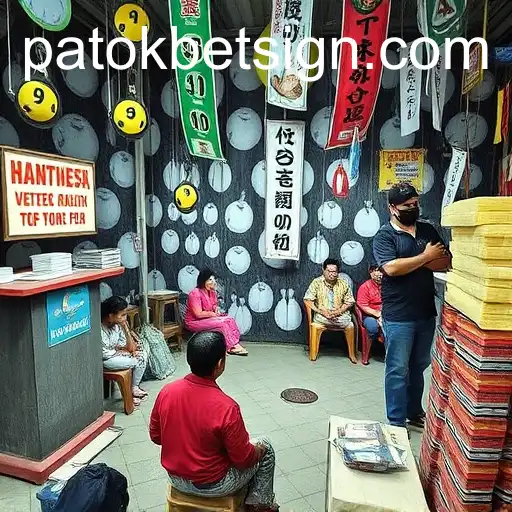
The Intricate World of Jueteng and its Societal Impact
Jueteng, a widely recognized illegal numbers game in the Philippines, has entrenched itself into the cultural and economic fabric of society. Its long-standing presence has influenced various aspects of political, social, and economic dimensions in the country, becoming a subject of endless debate and discourse. In this article, we delve into the multifaceted phenomenon of jueteng, exploring its allure, historical roots, and contemporary implications.
The Origins and Mechanics of Jueteng
The history of jueteng can be traced back to the Spanish colonial era. Introduced by the Chinese settlers, it has since evolved into a staple gambling activity. At its core, jueteng is a numbers game where bettors select a series of numbers, typically ranging from 1 to 37. The game relies heavily on the element of chance, with winning numbers drawn twice daily under a shroud of secrecy.
Operated by syndicates, the jueteng network functions through a well-organized hierarchy comprising of petty collectors, known as kubradors, coordinators referred to as kabo, and jueteng lords who control the overall operation. The allure of substantial monetary rewards drives participants, many of whom are from lower socio-economic backgrounds, to engage in this illegal activity.
Jueteng's Socio-Economic Impact
Jueteng thrives in communities where economic opportunities are scarce. For many, particularly those who live below the poverty line, it represents a potential escape from financial hardships. The daily betting cycle offers them a chance, albeit slim, at changing their fortunes. This perceived hope of immediate financial relief underscores its popularity, despite legal prohibitions.
While the financial temptation is undeniable, jueteng has broader social implications. It instills a culture of dependency on gambling as a means of livelihood, often drawing individuals into a cycle of poverty and debt. Moreover, the familial disruption it causes cannot be understated, as addiction to gambling deteriorates household stability and nurtures social ills.
Jueteng and Political Dynamics
Jueteng's tentacles extend into the political realm, where it intertwines with matters of governance and corruption. Political figures have been repeatedly accused of protecting or colluding with jueteng operators in exchange for financial kickbacks, leading to public outrage and allegations of corrupt practices.
Notably, political campaigns are rumored to be heavily funded by jueteng revenues, an assertion that, while often denied, casts a shadow over the political landscape. The intersection of jueteng with politics raises critical questions about the integrity and transparency of public officials, exacerbating public distrust in governance systems.
The Cultural and Psychological Underpinnings of Jueteng
On a cultural level, jueteng is embedded within the everyday life of many Filipinos, transcending economic backgrounds. It serves as a communal activity, fostering relationships and collective hope. This communal aspect is apparent in rural villages where betting becomes a shared social experience.
Psychologically, jueteng offers an adrenaline rush associated with the uncertainty and anticipation of the draw. This thrill, coupled with the potential for a life-altering payout, captures the imagination of players. The game effectively taps into the psychological constructs of risk, reward, and optimism bias, compelling individuals to partake against logical odds.
The Challenges of Eradicating Jueteng
Efforts to eradicate jueteng have persistently faced significant obstacles. The operation of jueteng has become sophisticated and deeply rooted, making any attempts at dismantling it an uphill battle. Law enforcement agencies are often hampered by the clandestine nature of the operations and the indirect involvement of powerful individuals.
Government-initiated alternatives, such as the Philippine Charity Sweepstakes Office's Small Town Lottery (STL), were introduced to curb jueteng proliferation by providing a legal gambling alternative that benefits public welfare projects. However, the effectiveness of such measures remains a matter of contention.
Concluding Thoughts
Jueteng continues to be a paradox within Filipino society, cherished by some as a harmless pastime and condemned by others as a societal vice. Its continued existence is bolstered by socio-economic inequalities, political entanglements, and deep-rooted cultural acceptance. Until these underlying issues are addressed, jueteng is likely to remain an indelible part of the Philippine landscape.
Exploring jueteng provides insights into the broader socio-political dynamics at play in the Philippines, highlighting the intricate interplay between legality, morality, and economy in shaping public life.